Solving a specific need for low-carbon hydrogen
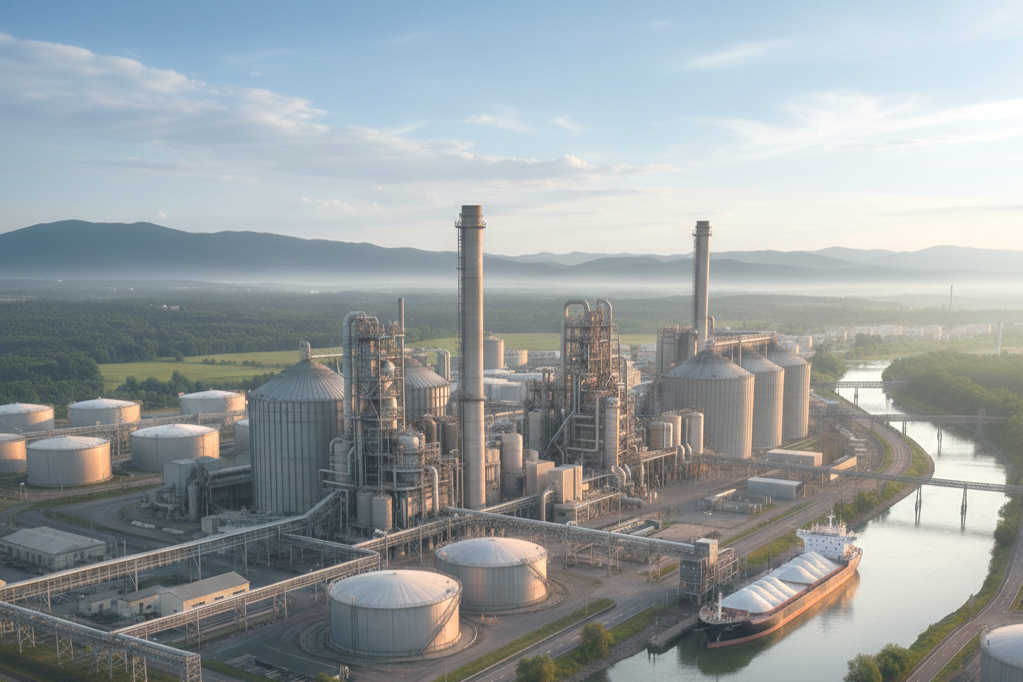
Around 99% of the 100 million tonnes per year of hydrogen manufactured today is for use as a feedstock for base chemicals and for the oil refining industry. It is made almost exclusively from hydrocarbons. It is called Grey Hydrogen if manufactured from natural gas (two thirds of the volumes) or Brown Hydrogen (one third) if from coal. Using hydrogen for fuel, whist currently around 1% of hydrogen use, is an interesting growth area, but we are concentrating on the 99%.
Convert Well’s Upstream Hydrogen (patent pending) is a reliable 24/7 low-carbon hydrogen to replace current volumes of grey hydrogen for industrial use. Upstream Hydrogen requires minimal hydrogen storage and minimal transportation of the CO2 produced as a by-product. It also improves reservoir and surface efficiencies.
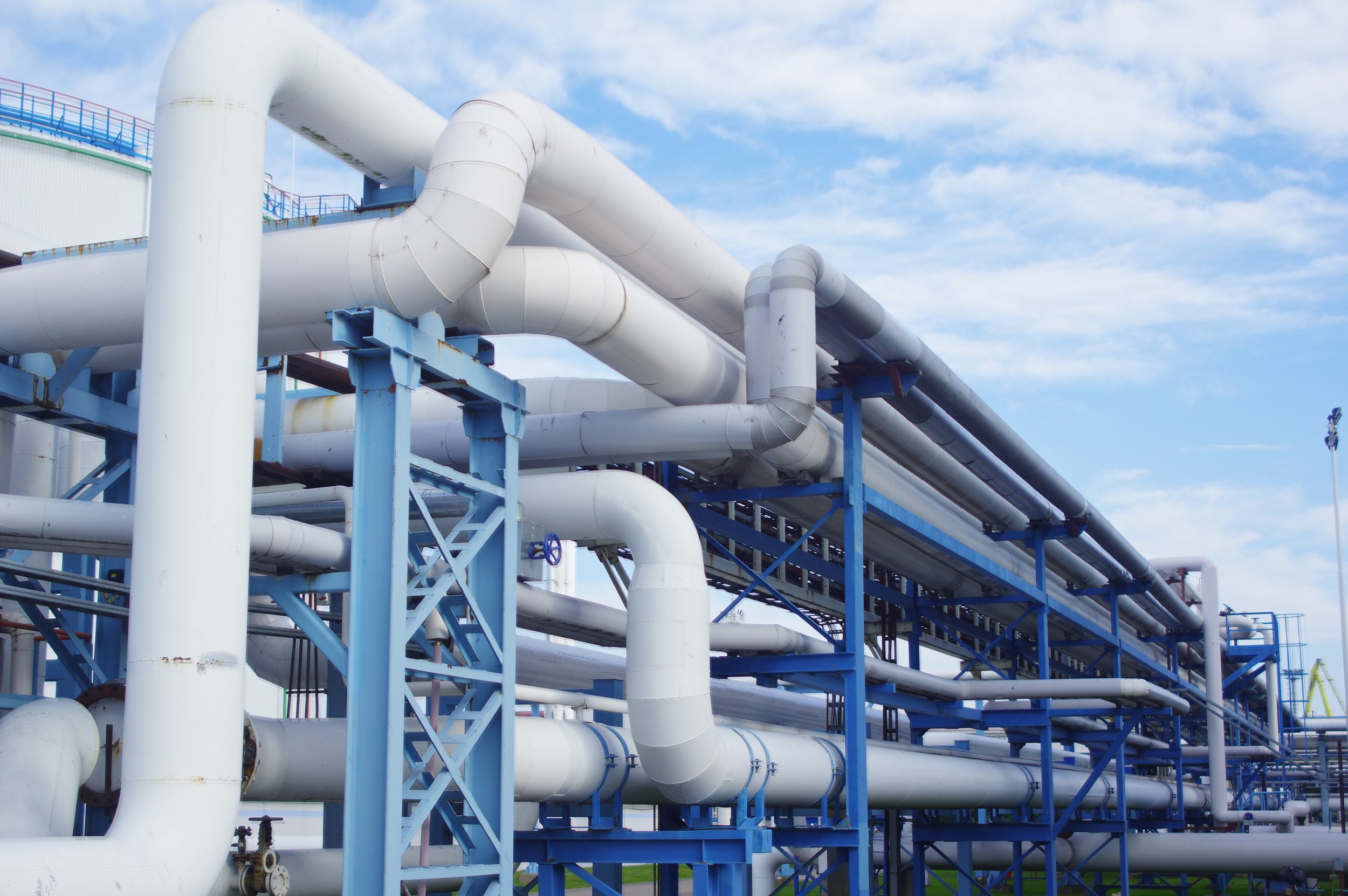
The Upstream Hydrogen Process
Oil & Gas Companies can produce hydrogen ‘Upstream’ at the sites of their existing or new gas processing plants, using standard technology that is used to produce hydrogen today e.g. steam methane reforming.
CO2, the by-product of hydrogen manufacture is captured, together with CO2 emissions from energy provision at the site. The CO2 is compressed and injected into the periphery/edges of the producing gas field. Tackling the CO2 problem at source results in greater efficiencies both above and below ground.
The hydrogen produced has a low carbon footprint. It is transported via pipeline to industrial customers who require hydrogen to make a wide range of vital products e.g. ammonia, methanol, petroleum products, steel, base chemicals and for desulphurisation.
With hydrogen produced 24/7 and piped, “line-pack” (the volume of hydrogen in the pipeline) means that additional hydrogen storage is minimised.
Reducing the cost/kg of low-carbon hydrogen production
Convert Well addresses the problem of the high cost of low-carbon hydrogen.
It does this in multiple ways:
By adding Enhanced Gas Recovery (EGR) to gas production to maintain short and medium term production rates.
By improving long term recovery from the gas field, which delays the cost of decommissioning.
For onshore gas fields, by cutting out the need, the cost and the planning uncertainties of a long distance CO2 pipeline to a remote permanent storage site. CO2 is safely stored deep underground on site (more than a km deep, in a proven gas storage site).
By using Hydrogen line pack (blended or pure Hydrogen) thus minimising the need for costly Hydrogen storage.
A higher value product is being produced than that previously produced by the O&G Company (24/7 low-carbon Hydrogen is a more valuable product than Natural Gas). Especially if condensate production is also enhanced, the economics can be highly attractive.
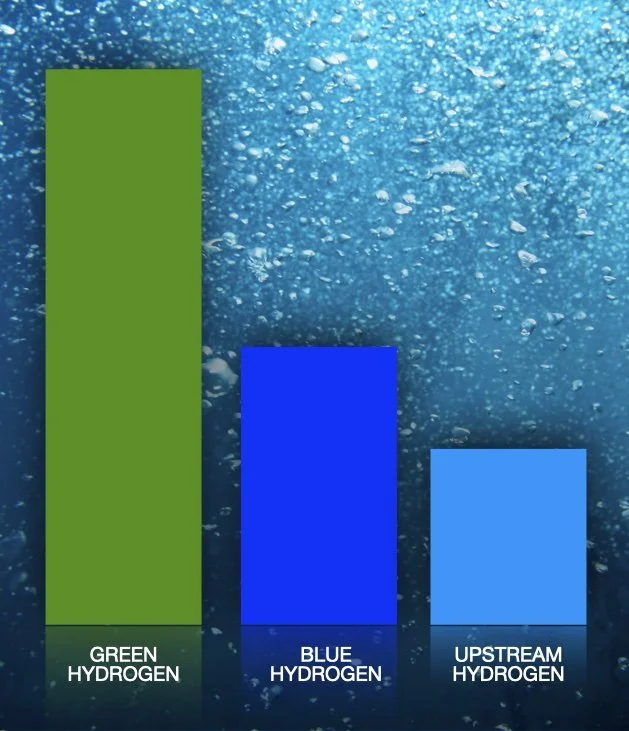
The cost of Upstream Hydrogen can be 20-40% lower than for Blue Hydrogen. And Blue Hydrogen is sometimes quoted around half the cost of Green Hydrogen.
A sustainable alternative
Manufacturing 100 million tonnes of hydrogen for industrial use generates close to 1 billion tonnes of carbon dioxide each year. That’s more emissions than global aviation.
Upstream hydrogen is a genuinely low-carbon product that has a number of sustainability benefits:
Upstream hydrogen mitigates the emissions of the gas field through Carbon Capture and Storage (CCS). This means that carbon dioxide emissions are captured and injected back into the base of the gas field.
Producing low-carbon hydrogen in this way avoids the CO2 emissions from manufacturing the same volumes of Grey or Brown Hydrogen from natural gas or coal.
Establishing a reliable and bankable supply of genuinely low-carbon hydrogen will be essential to progress low carbon technologies in certain hard-to-abate sectors. In particular, steel and fertiliser production will be at least partly reliant on low-carbon hydrogen to decarbonise.